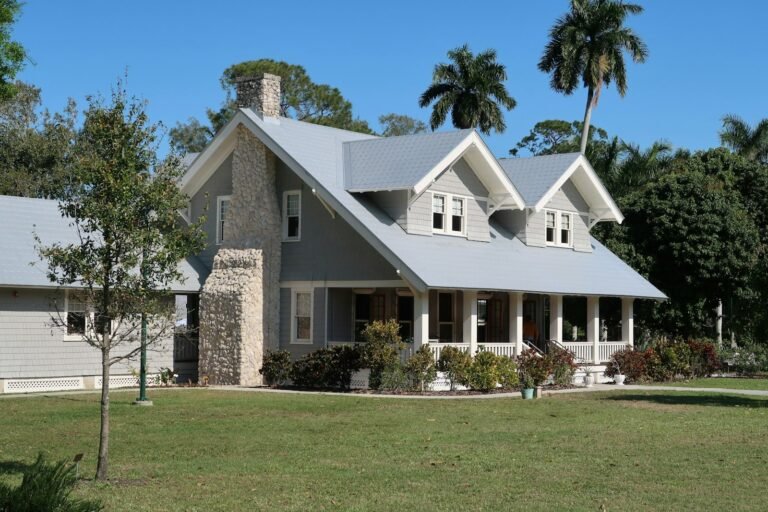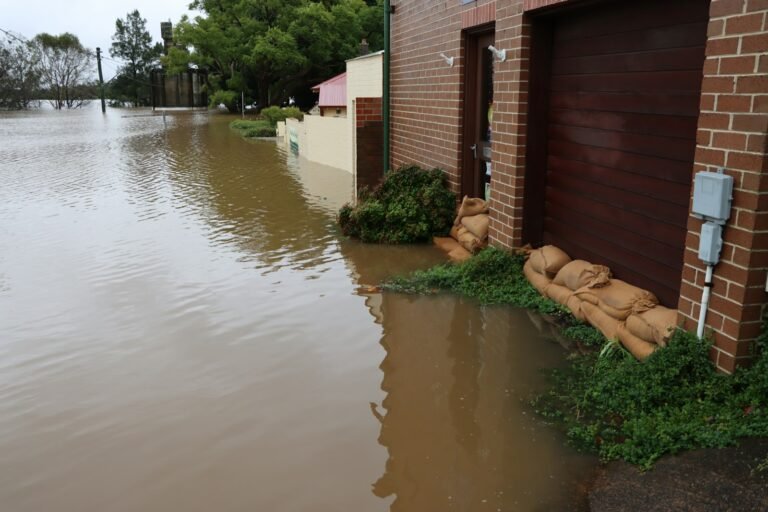
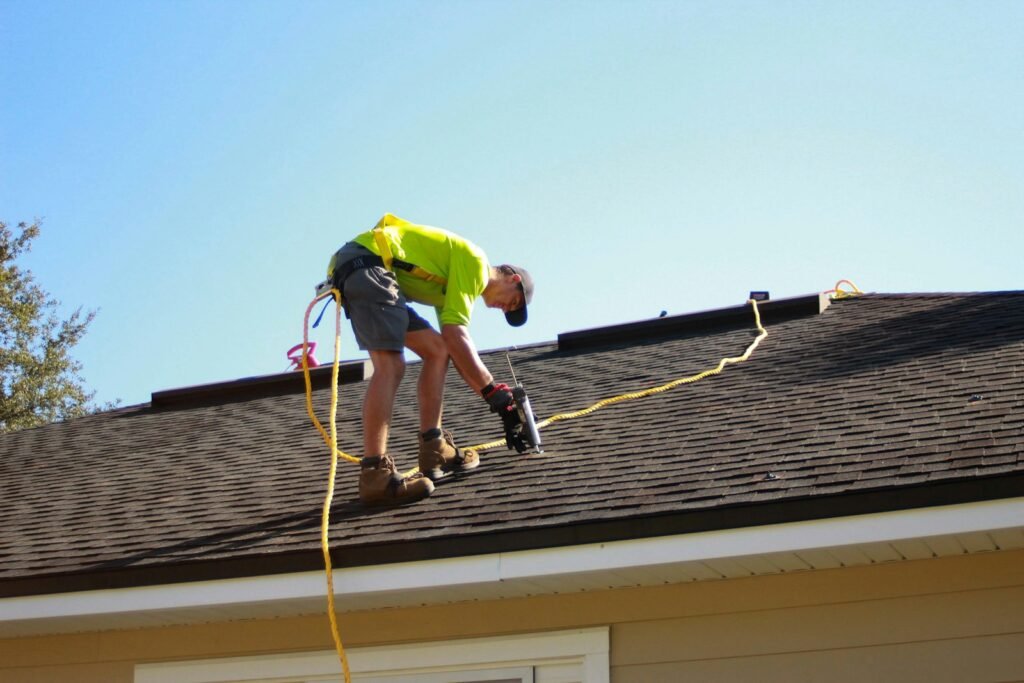
A 4-point inspection and a wind mitigation inspection are two short insurance inspections that most Florida buyers of older homes will need before closing. The 4-point checks the roof, electrical, plumbing and heating and air conditioning so an insurer will write the policy. The wind mitigation inspection records the home’s storm-resistant features so you can get the discounts Florida law requires insurers to offer.
Neither one replaces a full home inspection. Both can change what your insurance costs, or whether a company will insure the home at all, so they belong at the start of your inspection period, not the end.
Key takeaways
- A 4-point inspection covers the roof, electrical, plumbing and HVAC. Citizens Property Insurance requires one for homes more than 20 years old.
- A wind mitigation inspection uses the state form OIR-B1-1802. The current version, Rev. 04/26, took effect April 1, 2026, and a report is valid for up to 5 years.
- Florida law requires insurers to offer discounts for wind-resistant features, so a good wind mitigation report can lower your premium.
- Roof age matters. Citizens wants at least 5 years of remaining life on older shingle and tile roofs, and state law limits refusals based on roof age alone.
- Order both inspections in the first days of your inspection period so you have an insurance quote before the deadline.
What is a 4-point inspection in Florida?
A 4-point inspection in Florida is a limited insurance inspection of four systems in a home: the roof, the electrical system, the plumbing and the heating and air conditioning (HVAC). The inspector reports the age, type and condition of each so an insurance company can decide whether to write or renew a policy on an older home.
It is much narrower than a full home inspection. The inspector does not look at the foundation, the appliances, the windows or the general condition of the house unless it touches one of the four systems. The report is usually a few pages long, with photos, on the insurer’s form.
What each section looks at
- Roof: covering type, age, remaining useful life, and signs of leaks or damage.
- Electrical: panel type and brand, wiring type, amperage and visible hazards. Certain older panel brands and wiring types can be a problem for insurers.
- Plumbing: pipe materials, water heater age and location, and any active leaks.
- HVAC: the age and working condition of the heating and cooling system.
When insurers ask for one
Citizens Property Insurance Corporation, Florida’s state-backed insurer, requires a 4-point inspection for properties more than 20 years old. Private insurers set their own rules and some use different age limits, so ask your insurance agent which applies to the home you are buying.
Who can sign a 4-point inspection
The current Citizens sample form is labeled Insp4pt 03 25. Citizens accepts it from a Florida-licensed general, residential or building contractor, a building code inspector, or a home inspector. A licensed trade professional, such as an electrician or plumber, may sign only the section for their own trade.
Buying an older home? Shakir can help you plan your inspections and get insurance quotes started early, so there are no surprises near closing.
How does roof age affect home insurance in Florida?
Roof age is one of the biggest factors in Florida home insurance. Citizens requires shingle roofs over 25 years old and tile roofs over 50 years old to show at least 5 years of remaining useful life, and state law limits how insurers can refuse coverage because of roof age alone.
The Citizens roof rule
For Citizens, soft roofs such as shingles that are more than 25 years old, and hard roofs such as tile that are more than 50 years old, need an inspection showing at least 5 years of remaining useful life. The other option is proof that the roof was fully replaced.
What Florida law says about older roofs
Section 627.7011(5) of the Florida Statutes adds protections for policies issued or renewed on or after July 1, 2022:
- An insurer cannot refuse to issue or renew a homeowner’s policy solely because of roof age if the roof is less than 15 years old.
- For a roof 15 years or older, the insurer must let the homeowner have it inspected, at the homeowner’s expense, before requiring a replacement.
- If that inspection shows 5 or more years of useful life left, the insurer cannot refuse to write or renew the policy solely because of the roof’s age.
The roof’s age usually comes from the permit date for the last full replacement. Ask the seller for the permit or check it with the city or county building department. A roof that “looks fine” but has no permit history can still cause a problem with an insurer.
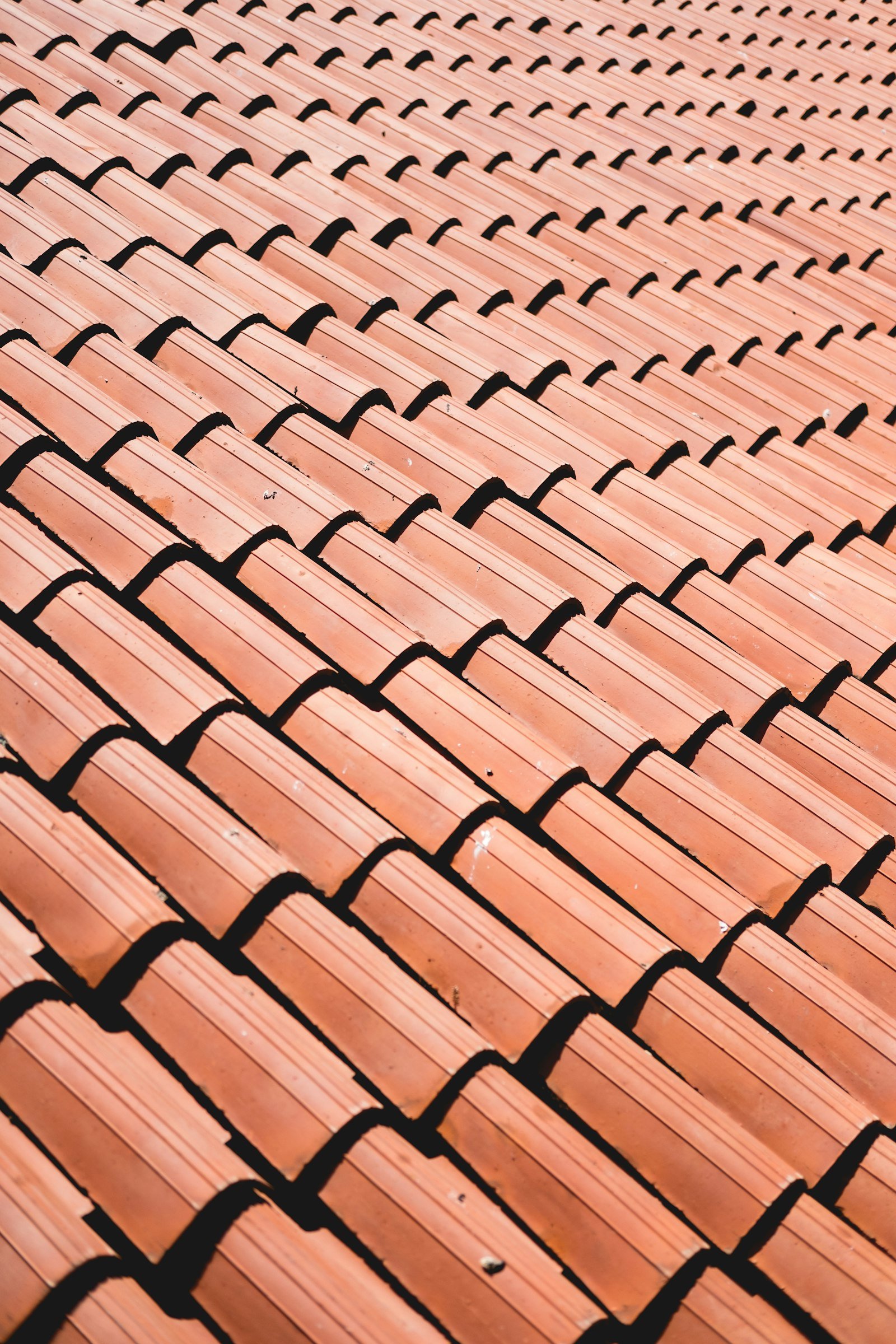
What is a wind mitigation inspection?
A wind mitigation inspection is a review of the features that help a Florida home resist hurricane winds, recorded on the state’s Uniform Mitigation Verification Inspection Form, OIR-B1-1802. Insurers use the report to apply windstorm discounts, so a home with strong roof attachments and protected openings can cost less to insure.
The current version of the form is Rev. 04/26, which took effect April 1, 2026 and replaces Rev. 01/12. A completed form is valid for up to 5 years, as long as the home has no material changes, such as a new roof or new windows. Citizens still accepts a Rev. 01/12 form completed within the 5 years before April 1, 2026. The new form also adds a place for FORTIFIED Roof, Silver and Gold certificates.
What the wind mitigation form records
| Item | What the inspector records | Why it matters |
|---|---|---|
| Building code | Which building code the home was built or permitted under | Homes built to newer Florida codes generally qualify for larger credits. |
| Roof covering | Type of covering and whether it meets code, with permit dates | Shows whether the roof was installed to a wind-resistant standard. |
| Roof deck attachment | How the roof sheathing is nailed or fastened to the trusses | Stronger attachment keeps the roof deck in place in high winds. |
| Roof-to-wall attachment | Toenails, clips, single wraps, double wraps or structural connections | Clips and straps help keep the roof attached to the walls. |
| Roof geometry | Hip, flat or other shape | Hip roofs, which slope on all sides, usually handle wind better than gable roofs. |
| Secondary water resistance | Whether there is a sealed layer under the roof covering | Limits water getting inside if the covering is damaged. |
| Opening protection | Impact windows, doors and shutters on the openings | Protected openings help keep wind and water out of the house. |
The form also records the wind region and roof slope. Every feature is documented with photos, so ask the inspector for the full report and keep a copy. It is useful when you shop for insurance, and it can help when you sell.
Who can sign a wind mitigation form
Under section 627.711(2)(a) of the Florida Statutes, the form can be signed by a licensed home inspector who has completed hurricane mitigation training, a certified building code inspector, a licensed general, building or residential contractor, a professional engineer, an architect, or another person the insurer accepts.
Do wind mitigation discounts really lower insurance costs?
Wind mitigation discounts can lower Florida home insurance costs because section 627.0629 of the Florida Statutes requires residential rate filings to include actuarially reasonable discounts, credits or other rate differences for windstorm mitigation features. The size of the discount depends on the insurer and the features your home has.
Insurers must also describe their mitigation discounts on their websites. In practice, the biggest credits usually come from the roof shape, the roof-to-wall connection and opening protection. A newer home built to current code with impact windows and a hip roof will usually score much better than an older home with gable ends and no shutters.
Without a wind mitigation report on file, the insurer may assume the home has none of these features and give no credit at all. That is why buyers of older homes should get one even if the insurer does not ask. If the seller already has a report from the last 5 years and nothing has changed, ask for a copy.
A quick test before you make an offer
Ask the listing agent for the roof permit date, any existing 4-point or wind mitigation report, and whether the home has shutters or impact windows. Those four answers give your insurance agent enough to give you a rough idea of the premium before you commit.
How do these inspections fit into the inspection period?
The 4-point and wind mitigation inspections fit inside your contract’s inspection period, alongside the full home inspection. Under the Florida As Is Residential Contract, the inspection period is 15 days after the effective date if the blank is left empty, so order all three inspections in the first few days.
Many home inspectors can do all three in one visit, which saves time. Once you have the 4-point and wind mitigation reports, send them to your insurance agent right away. You want a firm quote, or at least a clear answer on whether the home can be insured, before your inspection period ends.
| When | What to do |
|---|---|
| Before the offer | Ask for the roof permit date and any existing insurance inspections. Get a rough insurance estimate. |
| Days 1 to 3 | Schedule the full home inspection, 4-point and wind mitigation, ideally in one visit. Add a termite (WDO) inspection if your lender or you want one. |
| Days 4 to 8 | Review the reports. Send the 4-point and wind mitigation to your insurance agent for quotes. |
| Days 8 to 12 | Get specialist opinions, such as a roofer or electrician, on anything flagged. Compare insurance quotes. |
| Before day 15 | Decide: go ahead, ask for repairs or credits where your contract allows, or cancel within the inspection period. |
This timeline is a guide, not a rule. Your contract dates are what count, and they can be shorter or longer than 15 days. Ask your agent to confirm the exact deadline the day the contract is signed.
Insurance is not the only extra check in Palm Beach County. If the home is in a high-risk flood zone, your lender will require flood insurance too. Our guide to flood zones and flood insurance explains how to check. The cost of these inspections is part of your buyer costs, covered in our guide to closing costs in Palm Beach County.
Do condo buyers need a 4-point or wind mitigation inspection?
Condo buyers usually need these inspections less often than buyers of houses, because the association insures the building’s structure and roof. Your own HO-6 policy covers the inside of the unit, so insurers focus on things like the unit’s electrical, plumbing, water heater and air conditioning, and some ask for a 4-point on older units.
Opening protection can matter for a condo too, since impact windows and doors may be the owner’s responsibility in some buildings. Ask your insurance agent what they need for the specific building. For the bigger condo questions, such as milestone inspections and reserves, see our guide to buying a condo in Palm Beach County.
What is the My Safe Florida Home program?
My Safe Florida Home is a state program that offers free wind mitigation inspections and grants of up to $10,000 to help eligible homeowners make their homes more resistant to hurricanes. Grants depend on available funding, and the program is aimed at homesteaded, site-built single-family homes built before 2008.
Under section 215.5586 of the Florida Statutes, the main eligibility rules include:
- The home must have a homestead exemption.
- It must be a site-built single-family home built before January 1, 2008.
- Its insured value must be $700,000 or less.
- The applicant must be low- or moderate-income.
The grant is a match: the owner pays $1 for every $2 from the state, and low-income owners pay no match. WFLX reported in May 2026 that money left over from the previous year’s $280 million was expected to keep grants going in 2026, without a new appropriation. Funding rounds open and close, so check the program’s website for current status before you plan around it.
New buyers usually cannot apply right away, because the program requires a homestead exemption. Once you own the home and have filed for homestead, it may be worth a look. Our guide to the homestead exemption in Palm Beach County explains how to file.
Should sellers get these inspections before listing?
Sellers of older Palm Beach County homes often benefit from getting a 4-point and wind mitigation inspection before listing. The reports cost far less than a lost buyer, they show buyers what insurance will look like, and they give the seller time to fix a problem before it surfaces during the buyer’s inspection period.
A seller who has these reports ready can:
- Share the roof age and wind features in the listing, which helps buyers and their insurance agents move quickly.
- Find issues such as an older electrical panel or water heater early, and decide whether to repair them or price them in.
- Reduce the chance of a deal falling apart late because the buyer could not get insurance.
A wind mitigation report stays valid for up to 5 years if nothing material changes, so one done before listing can still help the buyer. For more on getting ready to sell, read our guide to selling a home in Palm Beach County, or start with a free home valuation.
Ready to look at homes? Search current listings across north Palm Beach County and ask Shakir about roof ages and insurance before you tour.
For a full walk through the buying process, from the first showing to closing, see our buyer’s guide.
Frequently asked questions
How long is a wind mitigation inspection good for in Florida?
A wind mitigation inspection on Florida’s form OIR-B1-1802 is valid for up to 5 years, as long as the home has no material changes, such as a new roof or new windows. If you replace the roof or add impact windows, get a new inspection so your insurer can apply any added discounts.
Do all Florida homes need a 4-point inspection?
No. A 4-point inspection is usually required only for older homes. Citizens Property Insurance requires one for properties more than 20 years old, and private insurers set their own age limits. Newer homes and many condo units do not need one, so ask your insurance agent before ordering it.
Can a home fail a 4-point inspection?
A 4-point inspection is not pass or fail, but the report can show problems an insurer will not accept, such as an active roof leak, certain older electrical panels or wiring, or a very old water heater. The insurer may then decline the home or require repairs before writing the policy.
Who pays for the 4-point and wind mitigation inspections?
The buyer usually pays for the 4-point and wind mitigation inspections, because the buyer needs them to get insurance. They are often done in the same visit as the full home inspection. A seller can also choose to order them before listing and share the reports with buyers.
Can I get insurance on a house with an old roof in Florida?
Often, yes. Under Florida law, an insurer cannot refuse a policy solely because of roof age if the roof is under 15 years old, or if an inspection of an older roof shows 5 or more years of useful life left. Citizens has its own rules for shingle and tile roofs.
Sources
- Citizens Property Insurance Corporation: Inspections
- Citizens Property Insurance Corporation: 4-Point Inspection Form (Insp4pt 03 25)
- Citizens Property Insurance Corporation: Uniform Mitigation Verification Inspection Form changes
- Florida Office of Insurance Regulation: Wind mitigation resources
- Florida Office of Insurance Regulation: Form OIR-B1-1802 (Rev. 04/26)
- Florida Statutes, section 627.711: Notice of premium discounts for hurricane loss mitigation
- Florida Statutes, section 627.0629: Residential property insurance; rate filings
- Florida Statutes, section 627.7011: Homeowners’ policies; offer of replacement cost coverage and roof age
- Florida Statutes, section 215.5586: My Safe Florida Home Program
- My Safe Florida Home
- WFLX: My Safe Florida Home program has money left over to keep grants flowing in 2026 (May 8, 2026)
- Lowndes: Florida Residential As Is Contract series, offer expiration and closing timeline
This article is general information, not legal, tax or insurance advice. Rules, rates and deadlines change, so confirm the details with the official source, a Florida real estate attorney, your title company, your insurance agent or a tax professional before you rely on them.

With over 10 years of experience as a successful real estate agent, I have proudly helped hundreds of happy buyers and sellers achieve their real estate goals. I’m passionate about helping clients find their dream homes, sell their properties with confidence, and navigate every step of the process with ease. My commitment to personalized service, strong relationships, and exceptional results makes every real estate journey a rewarding experience.
REALTOR® with Continental Properties, Inc. in North Palm Beach. Florida license #3346934.